
1 Night / 2 Days
1 Night 2 Days Ayurvedic Treatment Package
A short Ayurvedic reset with consultation, meals, accommodation, Abhyanga, Sweda, Laghu Dhara, Yoga and Yoga Nidra.
View Package
Ayurveda views stress as a disturbance of the nervous system, primarily regulated by Vata dosha. IVAC’s stress management programs use authentic Ayurvedic therapies, lifestyle support and calming routines to help the body and mind return to balance.

From short calming stays to deeper Ayurvedic programs, each package supports relaxation, sleep, nervous-system balance and guided wellness.
A short Ayurvedic reset with consultation, meals, accommodation, Abhyanga, Sweda, Laghu Dhara, Yoga and Yoga Nidra.
View Package
A compact wellness stay for relaxation, Ayurvedic therapies, food rhythm and guided calming practices.
View Package
A gentle restorative stay for stress relief, body relaxation, light detox and nervous-system ease.
View Package
A calm Ayurvedic program for relaxation, sleep support, food rhythm and body-mind restoration.
View Package
A balanced stress-care retreat with therapeutic care, diet support, relaxation and lifestyle guidance.
View Package
A week-long Ayurvedic rhythm for stress reduction, body restoration, yoga and calming therapies.
View Package
A focused Ayurvedic stay for sleep, nervous-system balance, digestive support, yoga and mental calm.
View Package
A longer program with guided therapies, meals, accommodation, Yoga, Yoga Nidra and nervous-system support.
View Package
A deeper Ayurvedic stress-care journey with personalised therapies, lifestyle management and restoration support.
View Package
An extended healing stay with customised treatments, accommodation, meals, yoga and long-term stress-care guidance.
View PackageAyurveda views tension as a disturbance of the nervous system, which is principally regulated by Vata dosha. Vata is naturally cold, light, delicate and erratic, and can be disturbed by sensory overload, time pressure, excess activity and irregular routines.
Understanding your mind-body type helps clarify stress triggers and shows how lifestyle, therapy and rhythm can bring the system back to a more balanced state.
Stress management begins by calming Vata and creating steadiness through warmth, rhythm, rest and grounded routines.
Ayurveda helps identify how food, sleep, stimulation, work pressure and lifestyle patterns disturb the nervous system.
Therapies, diet support, yoga and lifestyle guidance help the body move from overstimulation to calmness.
The stress management program may include selected therapies that calm the body, loosen toxins, support muscle tone and destress the nervous system.
Plant-based steam therapy that helps loosen toxins and support relaxation.
Warm oil massage that rejuvenates the body and helps calm the nervous system.
Oil bath therapy that supports muscular toning, body comfort and deep rest.
Rhythmic stream of medicated oil on the forehead for nervous destressing.
When stress becomes excessive, it can affect digestion, metabolism, the heart, muscles, joints, the nervous system, reproductive system, immunity, emotional state and relationships.
Stress may affect digestion, metabolism, body weight, heart function, immunity and the musculoskeletal system.
Excess stress can affect mood, mental clarity, sleep quality, emotional balance and daily relationships.
Stress can slowly wear the body down, making supportive lifestyle and therapeutic changes important.
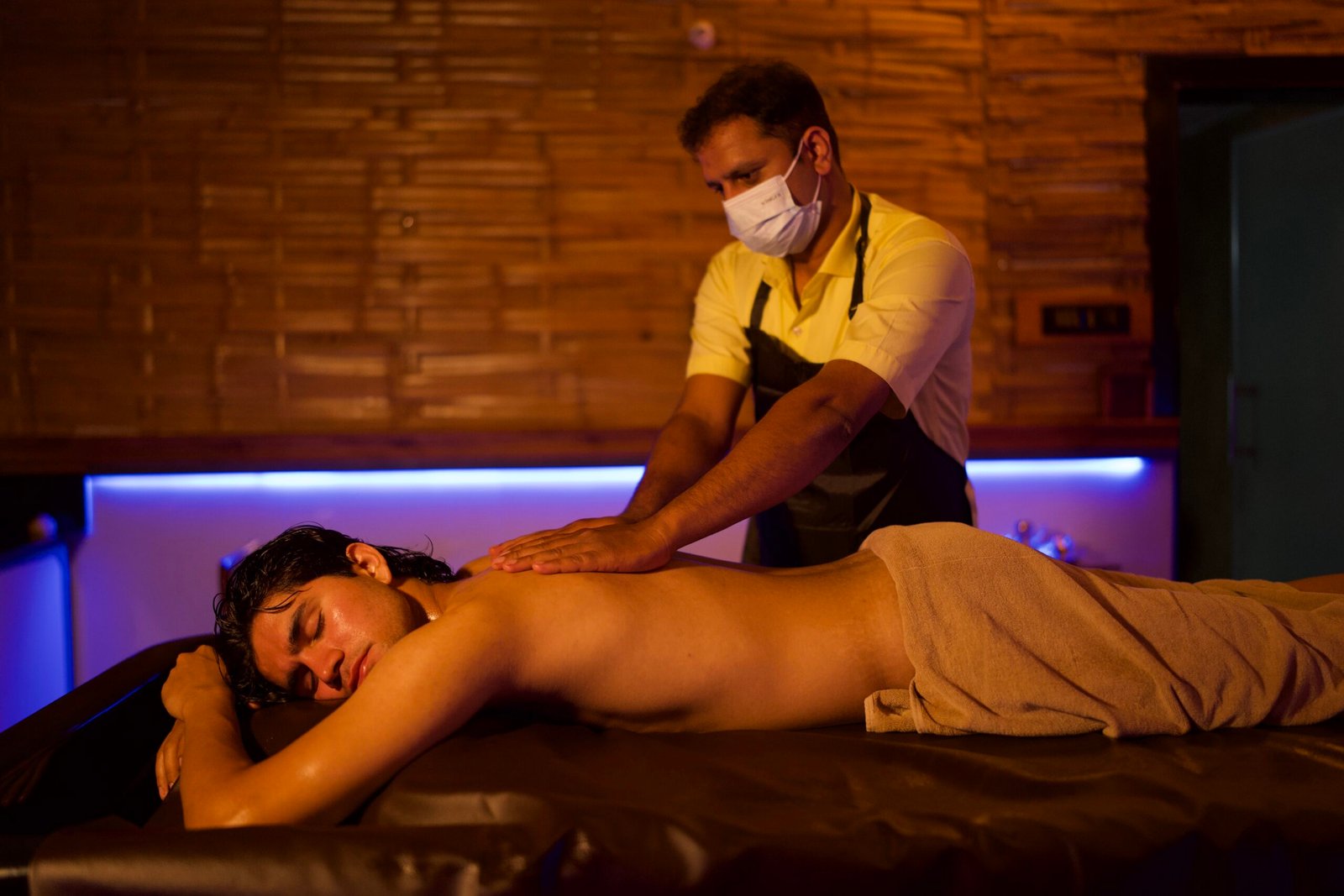
Stimulates marma points to improve well-being, relaxation, strength and balance.
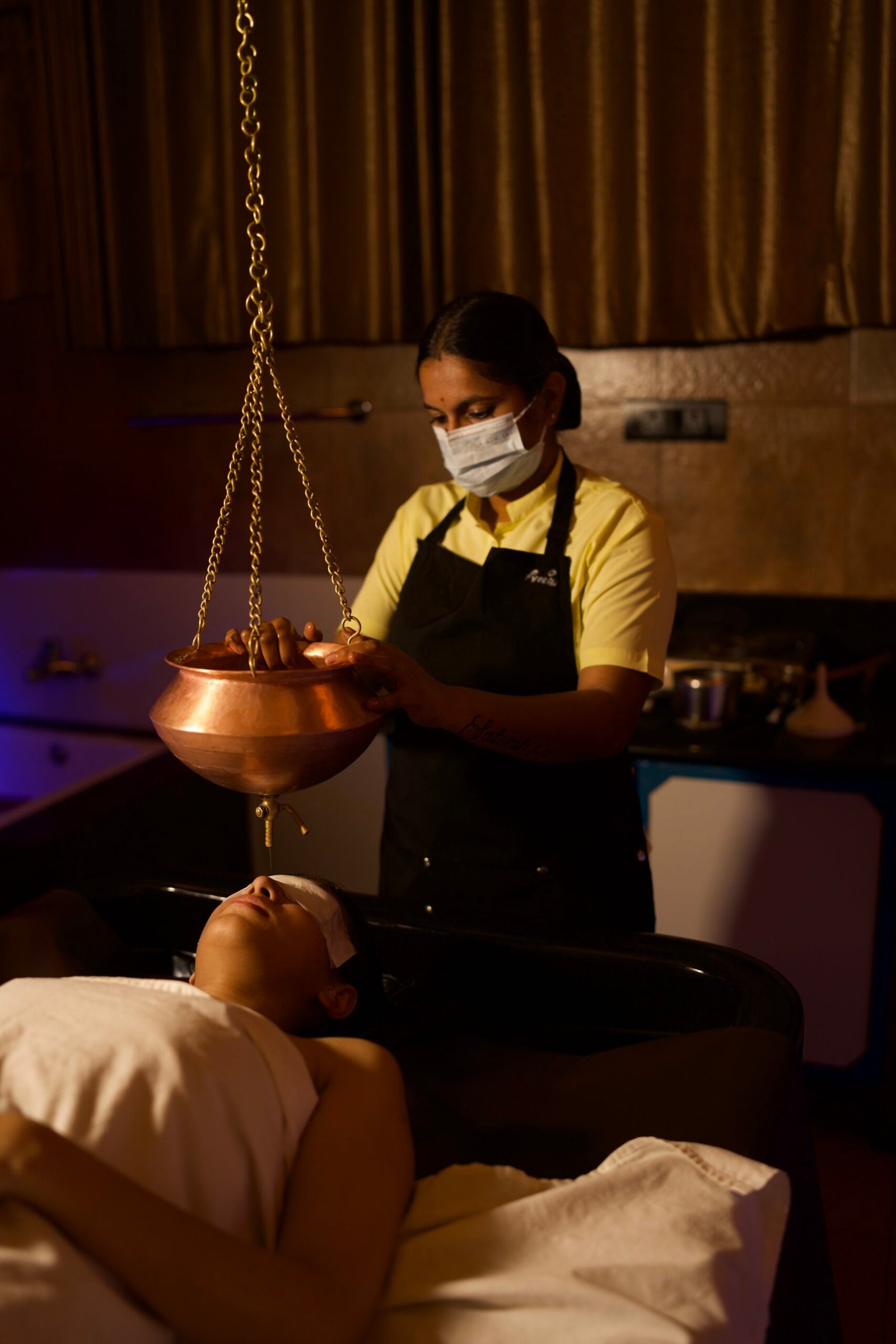
Recharges the body, calms the mind and supports deep sleep and clarity.
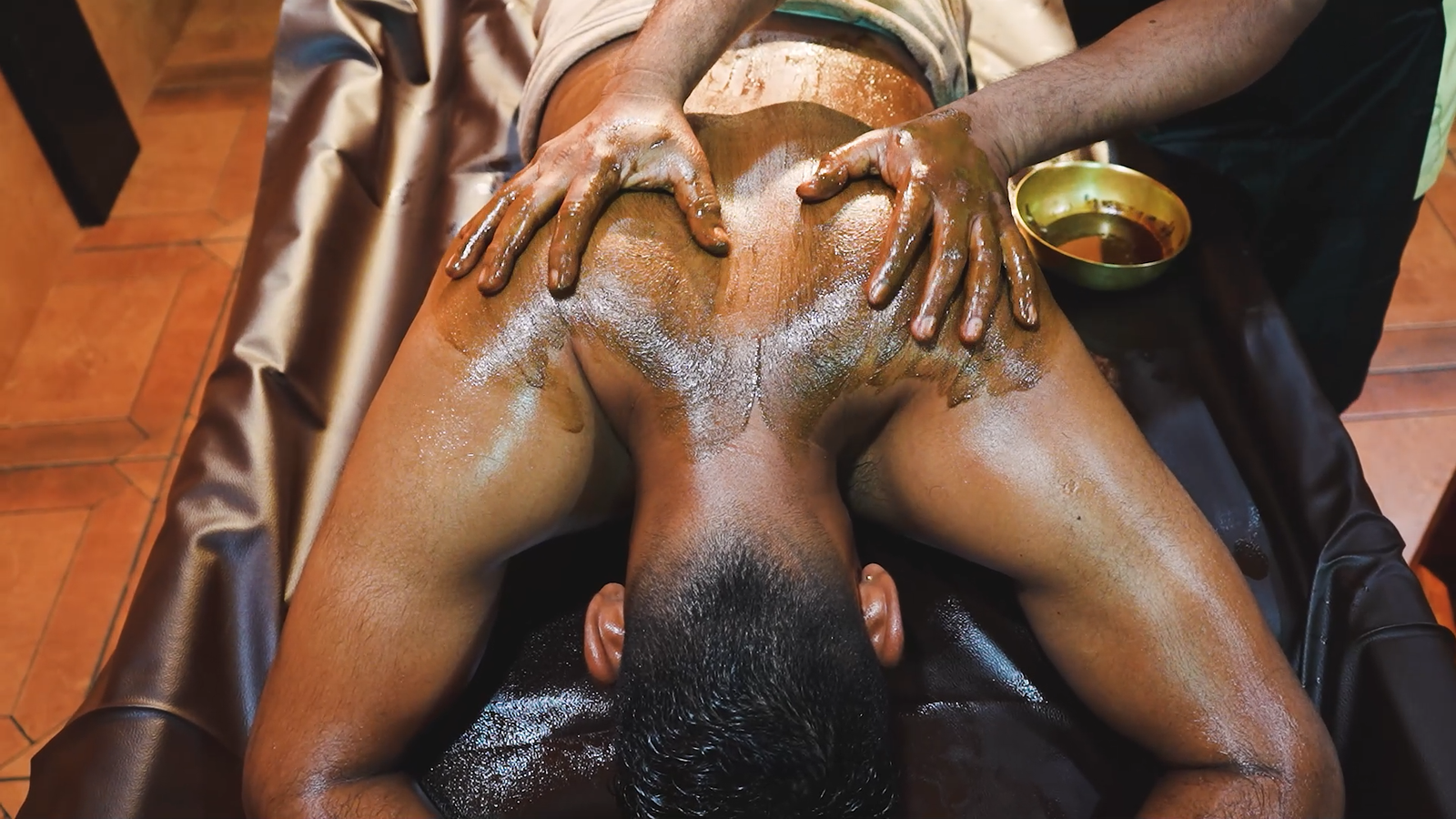
Supports body-weight balance, skin tone and youthful skin texture.
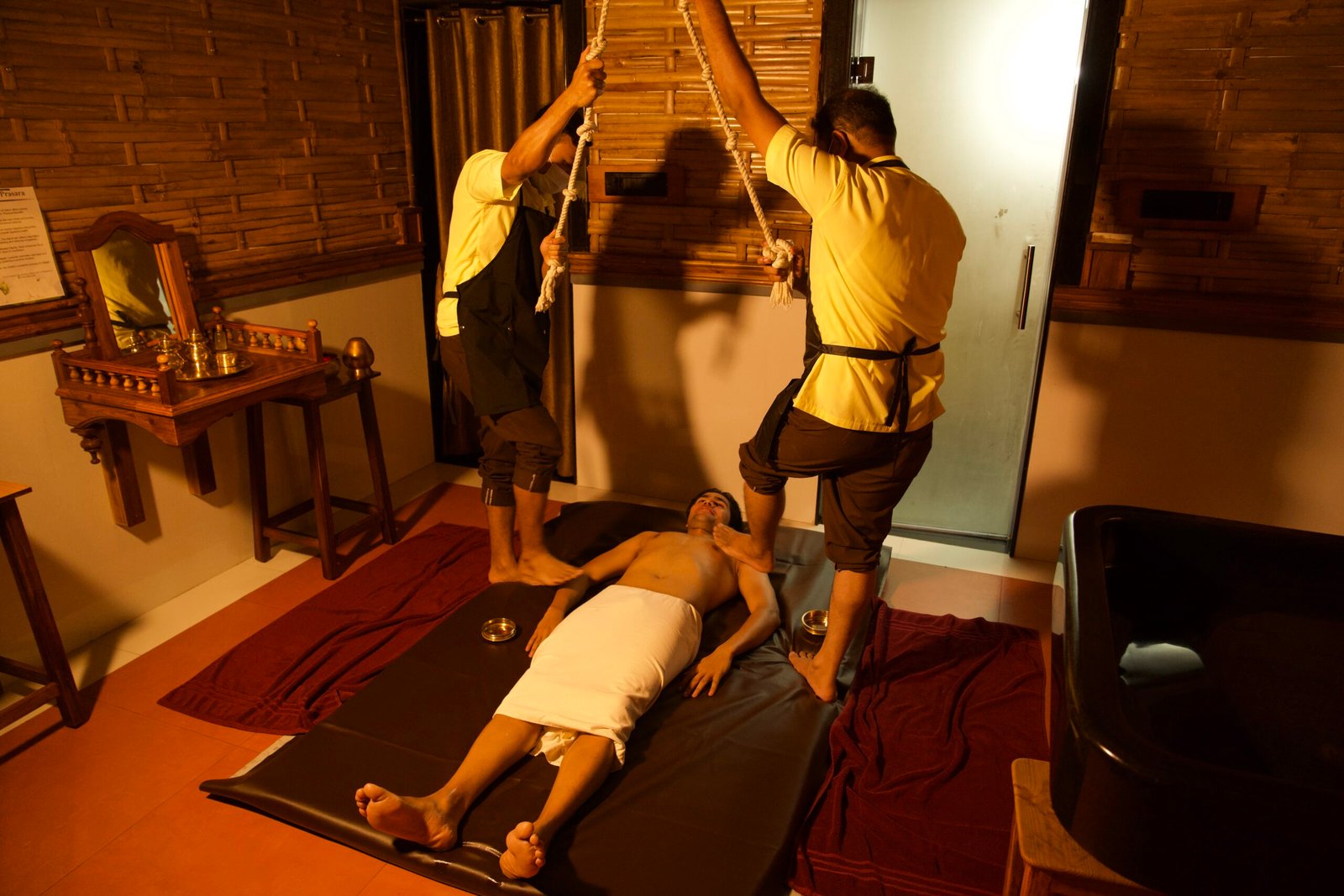
Alleviates Vata, reduces Kapha and strengthens the body.
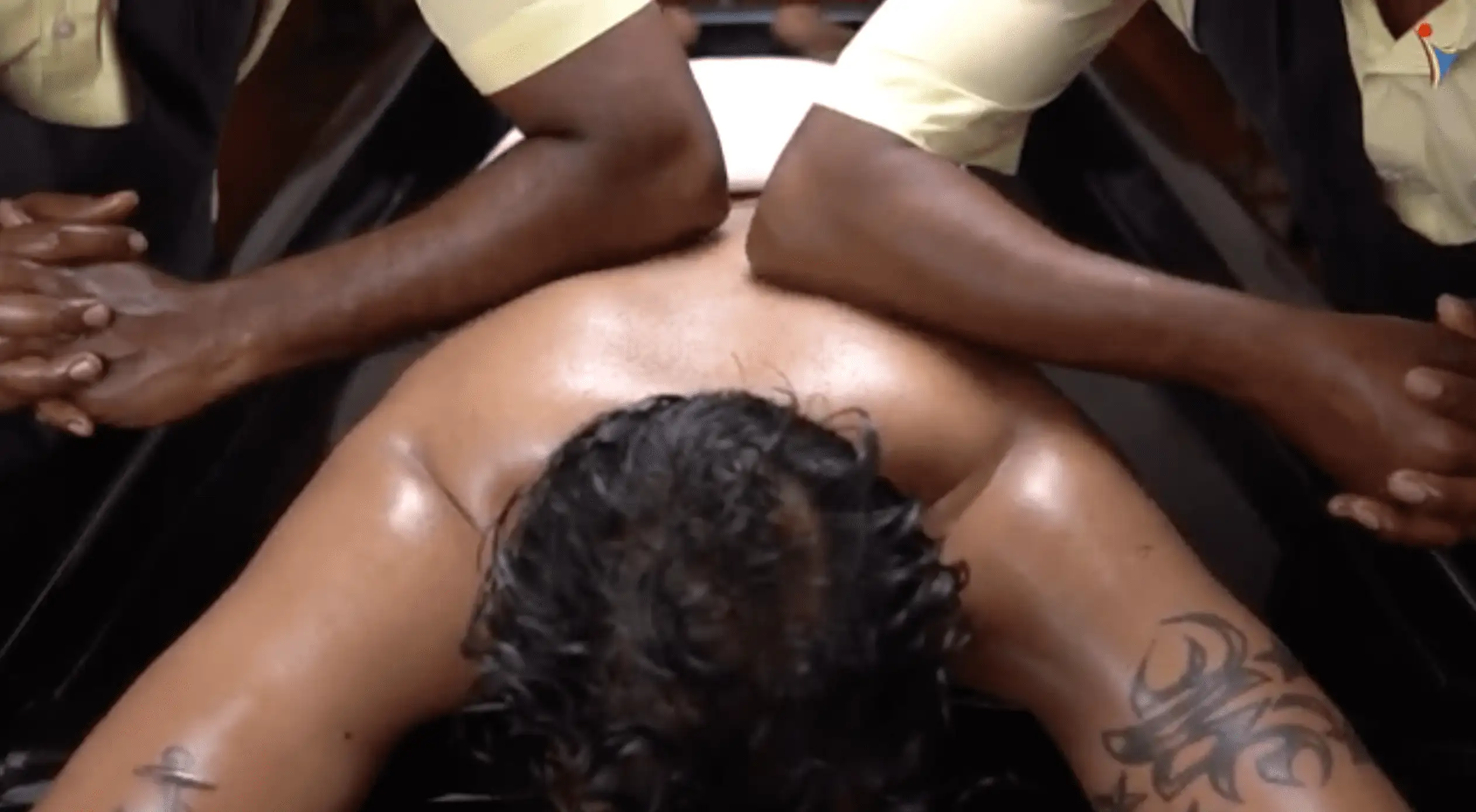
Enhances lymphatic drainage, improves sleep and relieves stress.
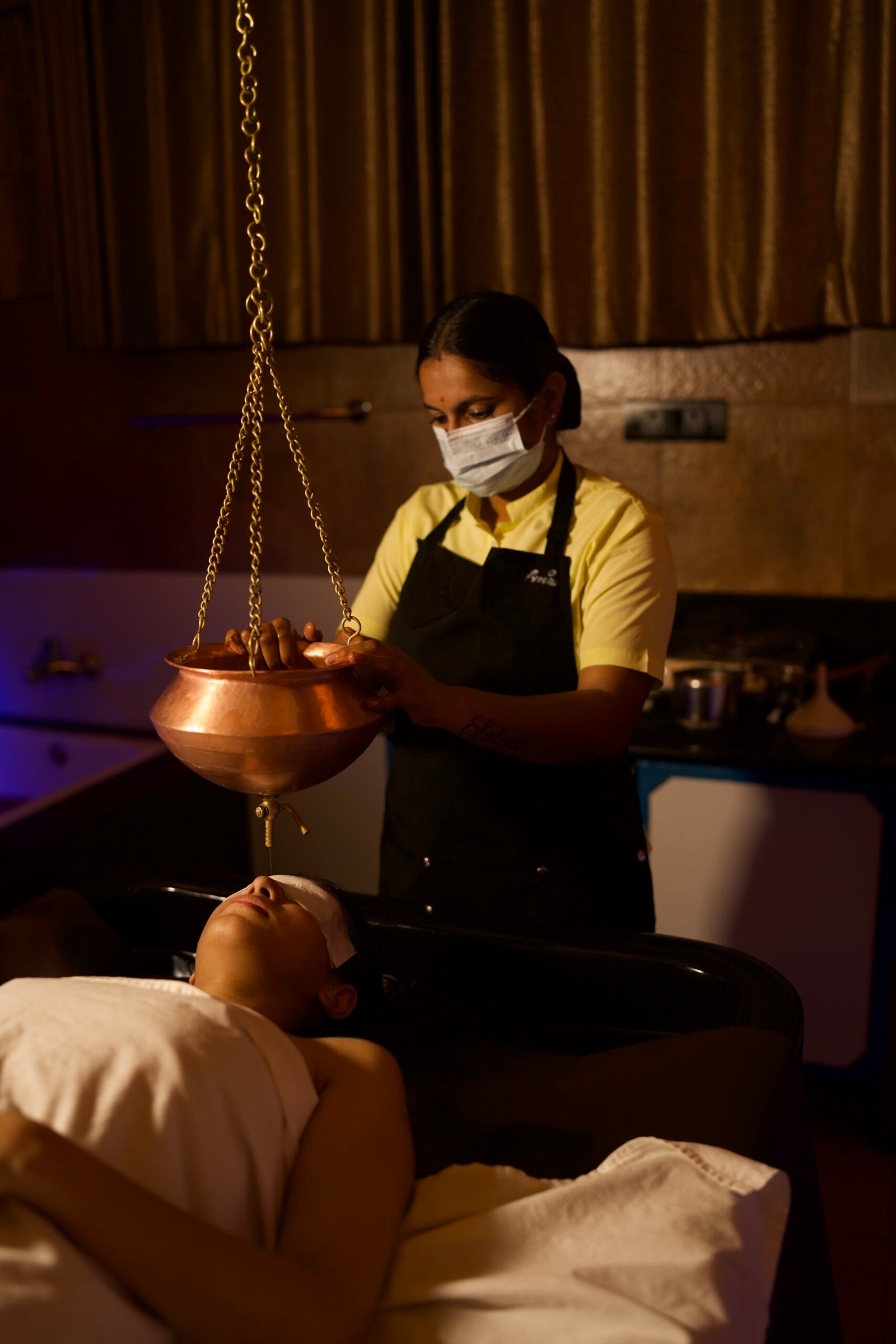
Promotes sleep, mental calm and relief from tension and headaches.

Cools the eyes and supports sound sleep.

Stimulates Nadis and supports chakra balance and well-being.
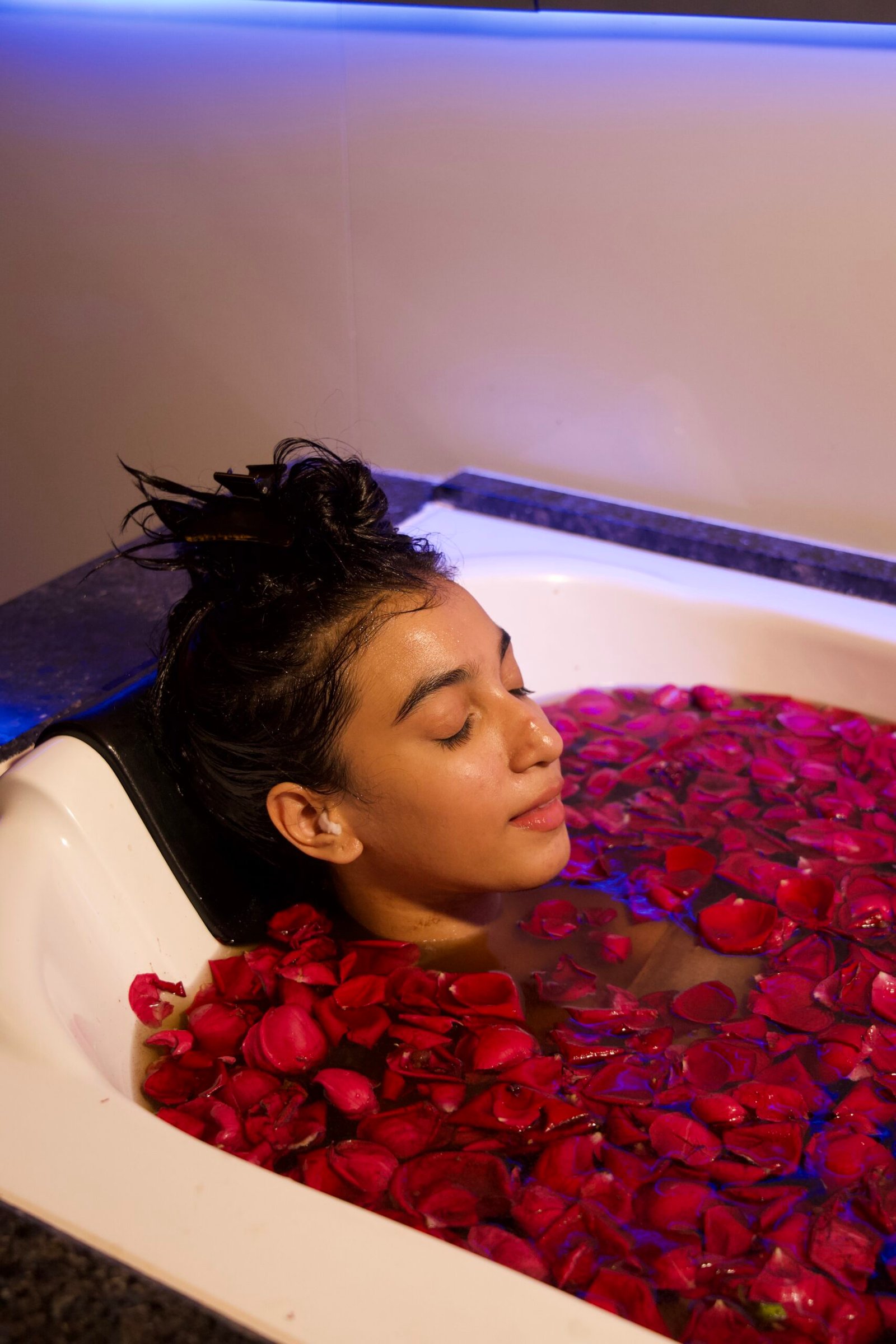
Relaxes the body, supports the skin and brings well-being.
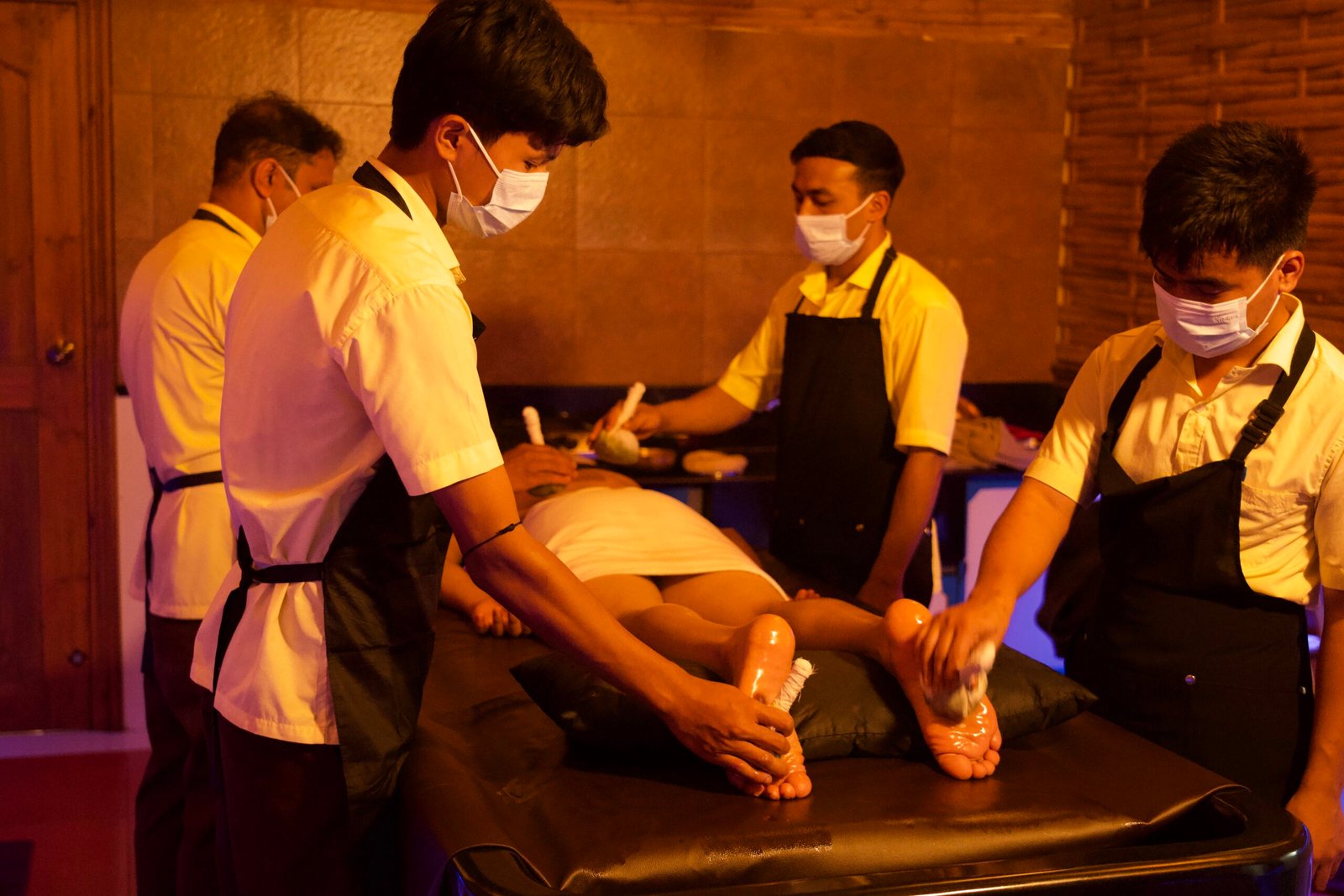
Supports relief in paralysis, body ache and arthritis.
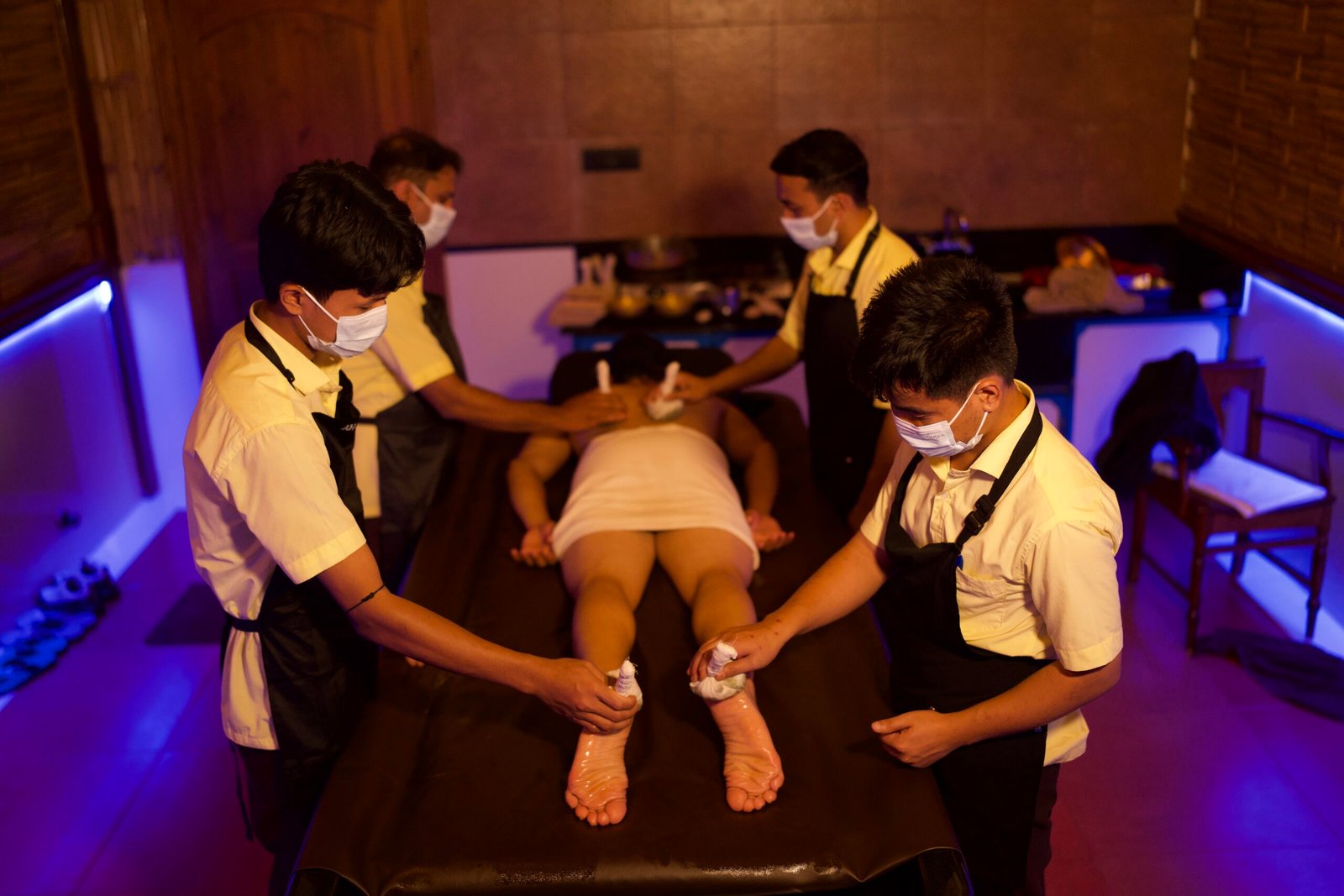
Reduces muscular pain, stiffness, swelling and chronic back pain.
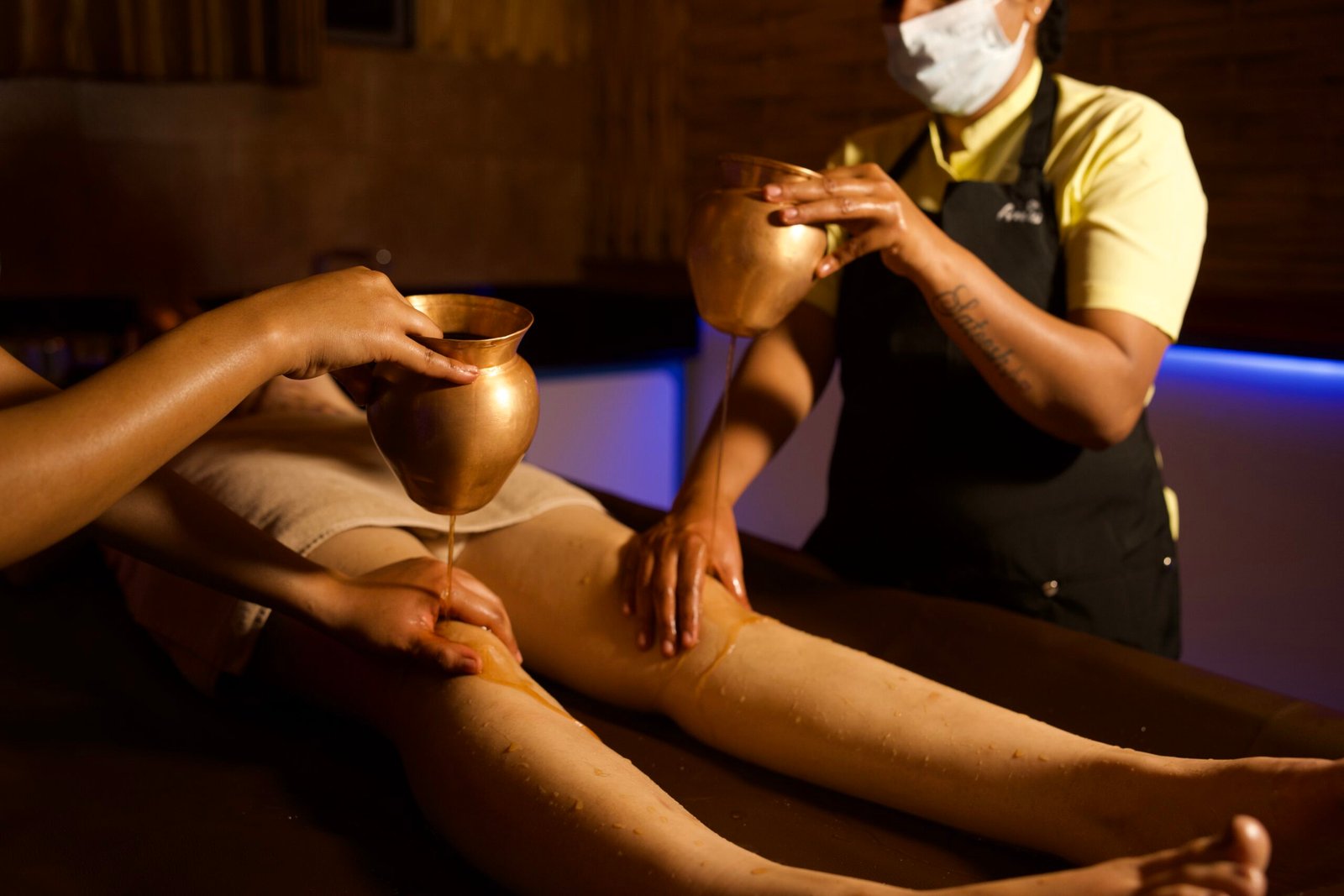
Relieves joint pain, stiffness, dryness and inflammation.
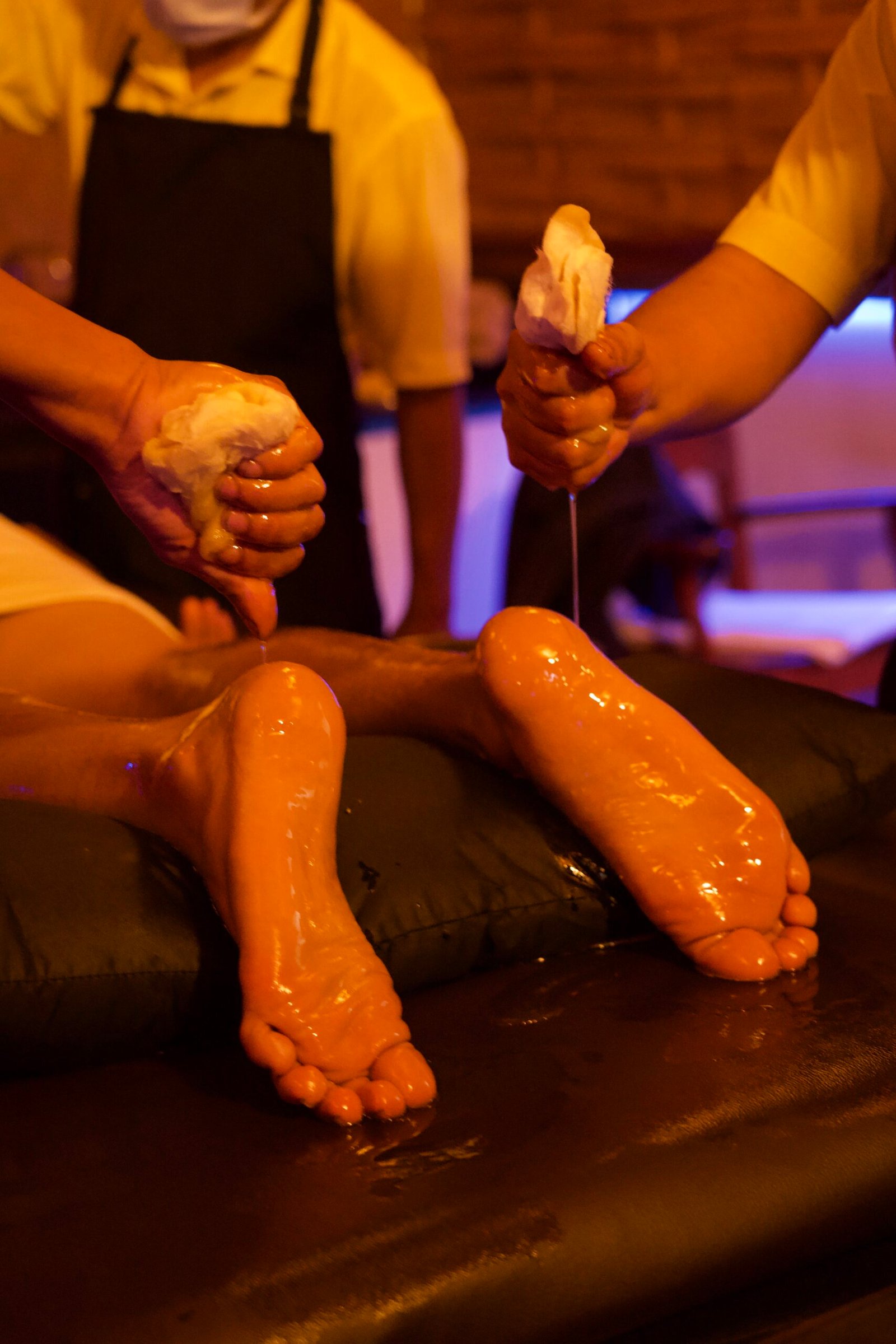
Supports circulation, reduces fatigue and helps recovery.

Relieves aches, inflammation and supports fat reduction.
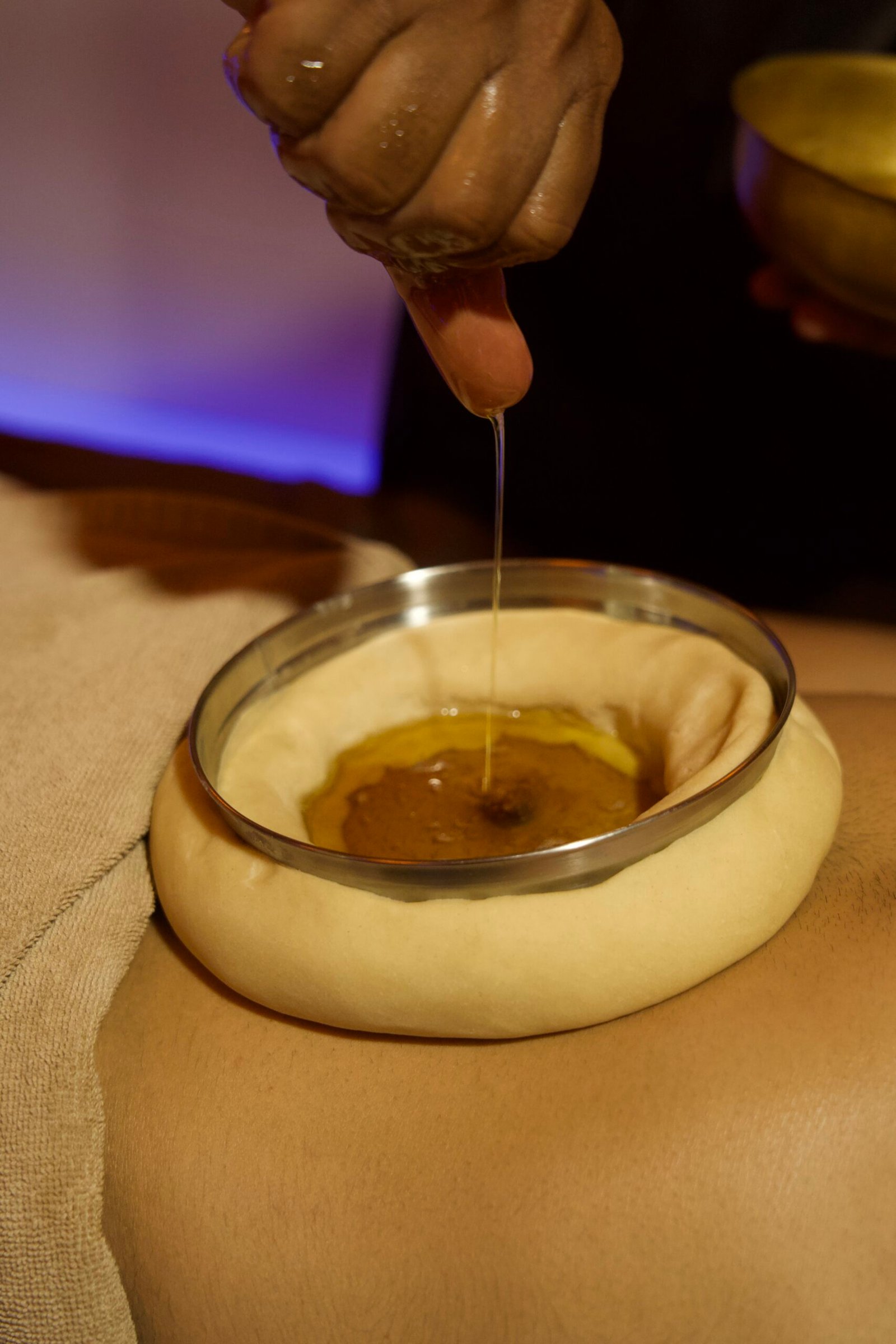
Supports backache, lumbar spondylosis and sciatica.

Reduces neck pain, cervical tension and stress-related discomfort.

Supports knee pain, osteoarthritis and sprains.

Strengthens the solar plexus and supports digestion.

Supports heart strength and emotional release.

Supports spinal mobility, circulation and back-muscle strength.
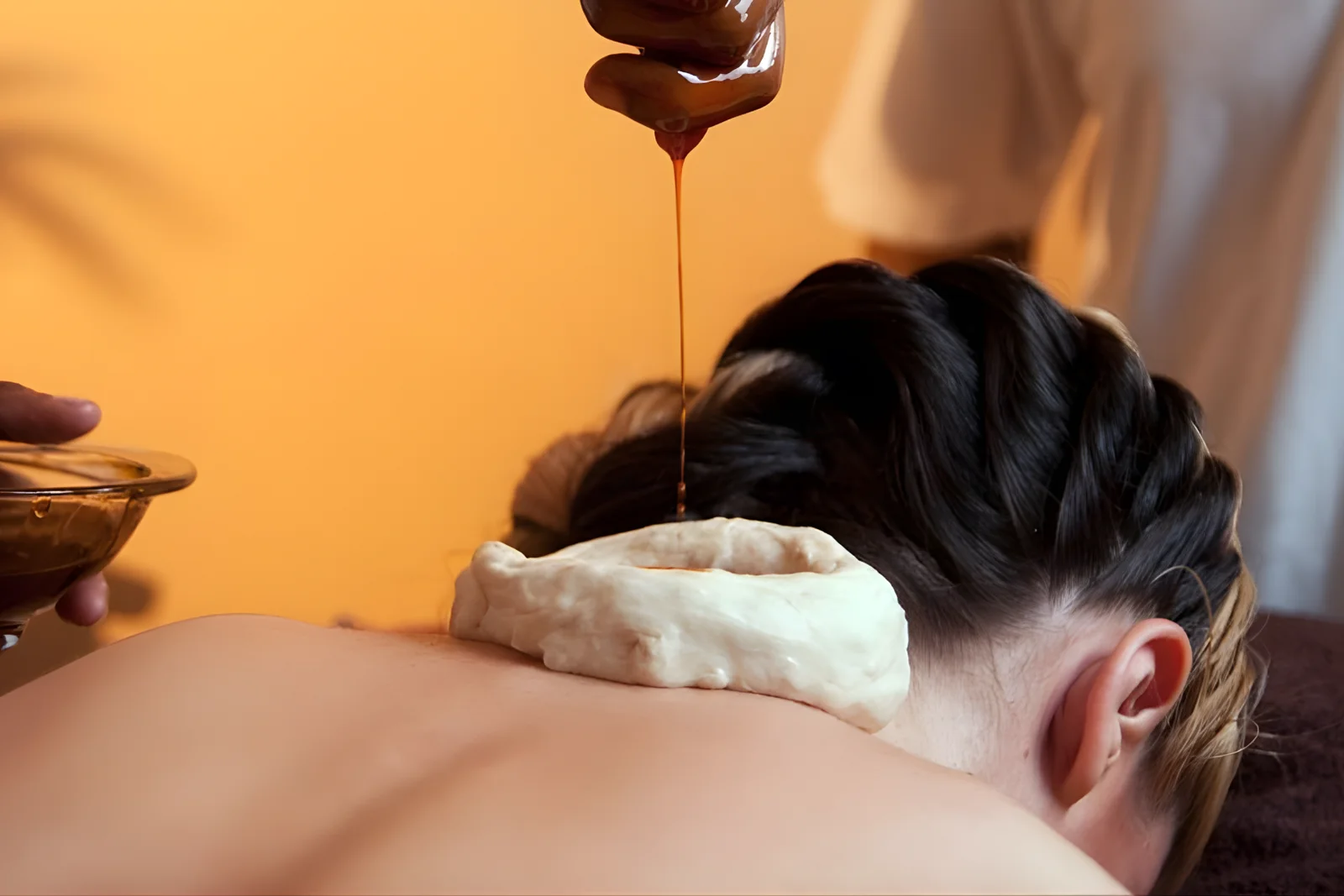
Strengthens the shoulder and scapular region and relieves pain.
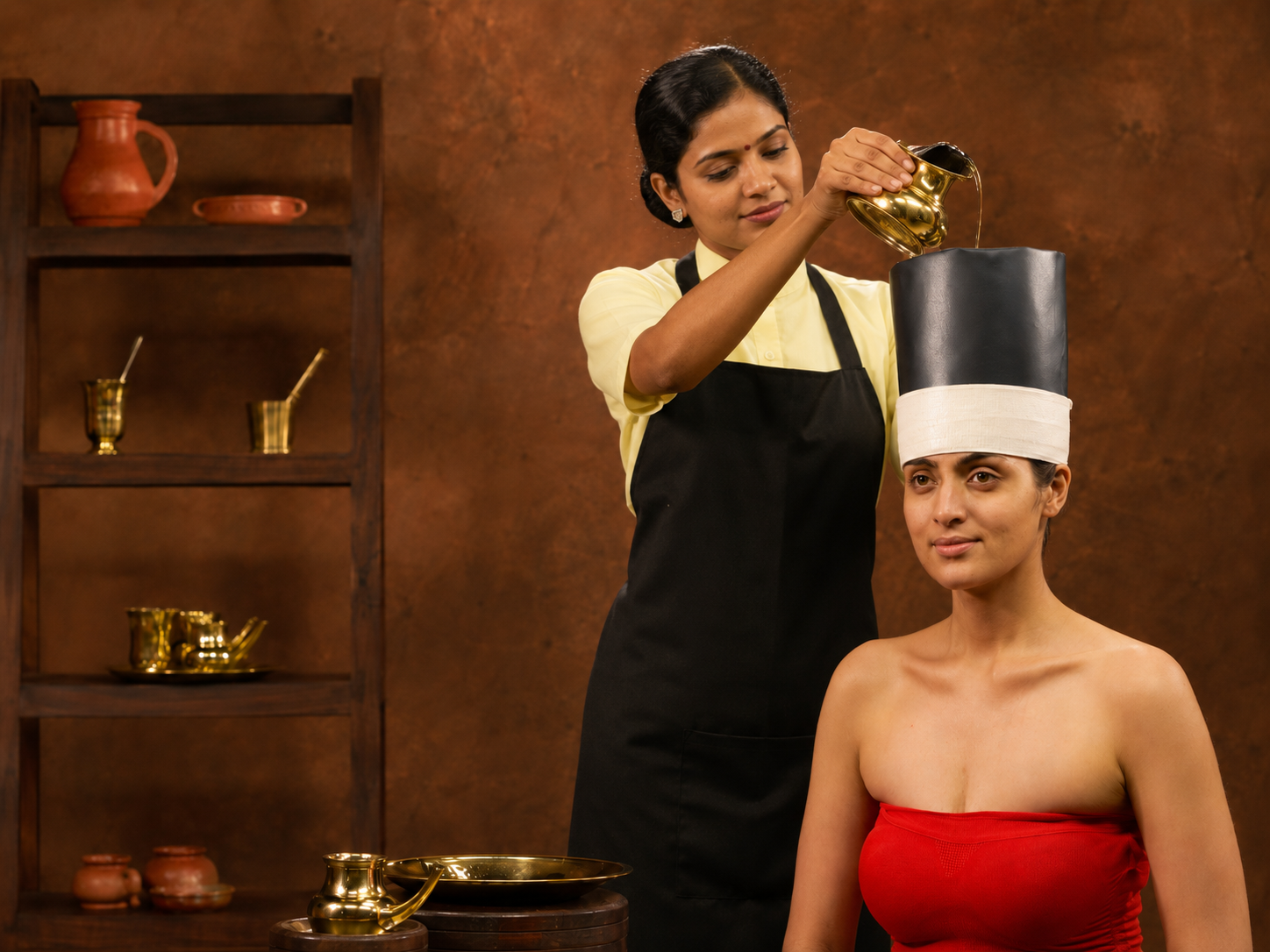
Supports depression, headaches, insomnia and psychological wellness.
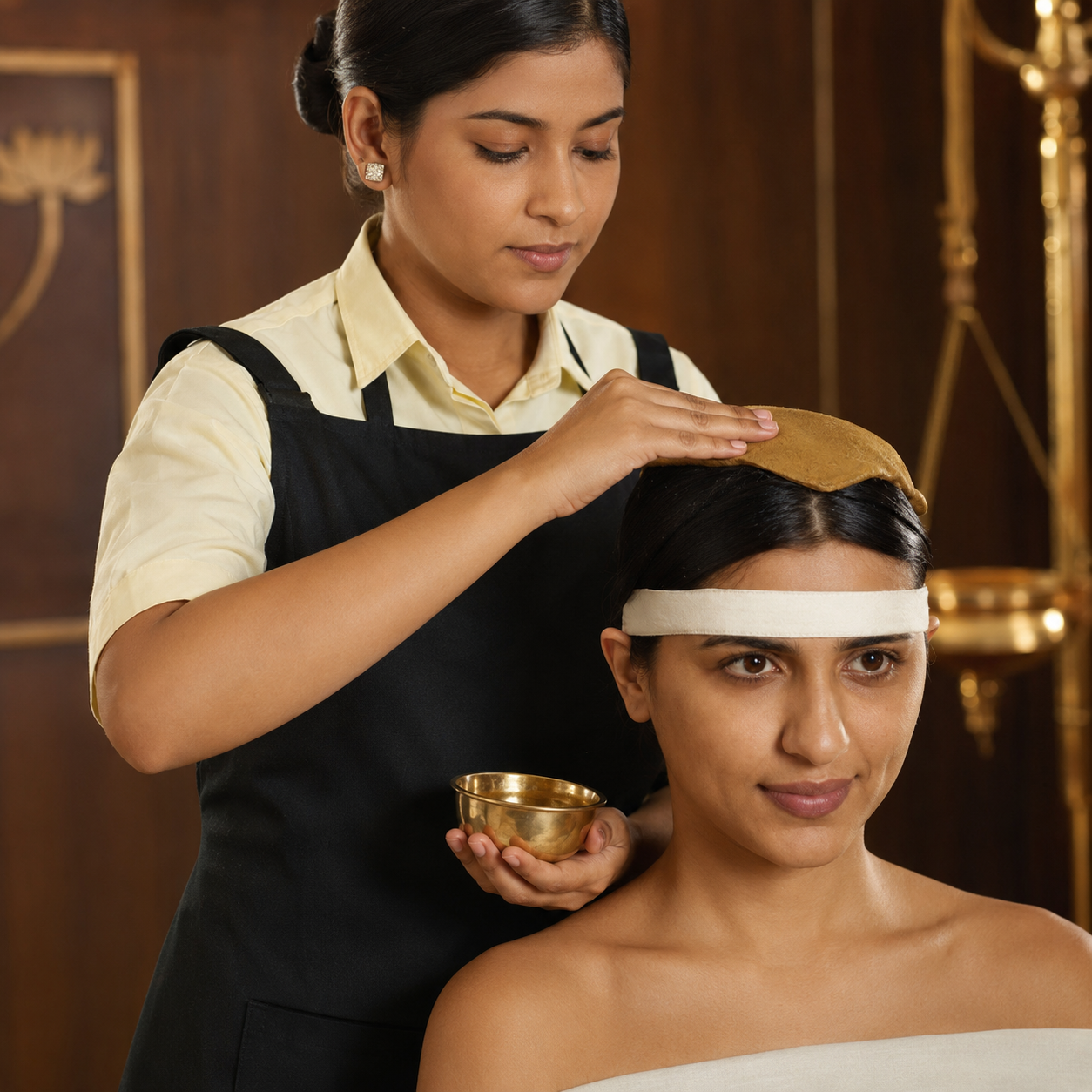
Nourishes the scalp, supports hair health, relieves stress and improves sleep.

Reduces burning sensation and supports eye strength.
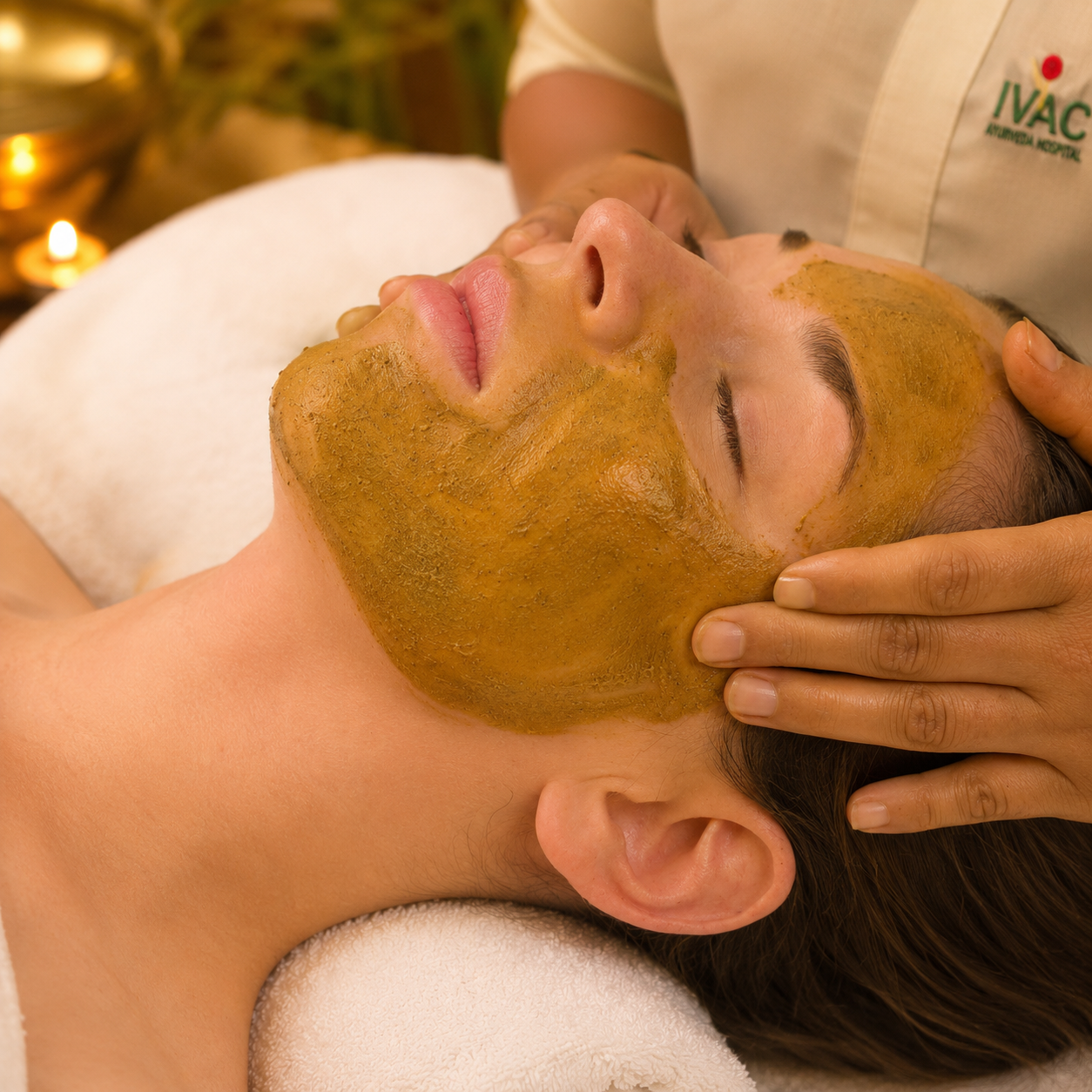
Improves circulation, reduces puffiness and supports nourished skin.
Explore the stress management duration that suits your wellness goals and connect with IVAC for a guided Ayurvedic treatment plan.