Definition
Migraine is the most common recurrent headache disorder. It is characterized by different combinations of neurological, gastrointestinal, and autonomic symptoms, often affecting daily routine and comfort.
Ayurvedic support for recurrent headache disorder, Pitta imbalance, impaired digestion, nervous system sensitivity, nausea, visual disturbance, and migraine triggers.
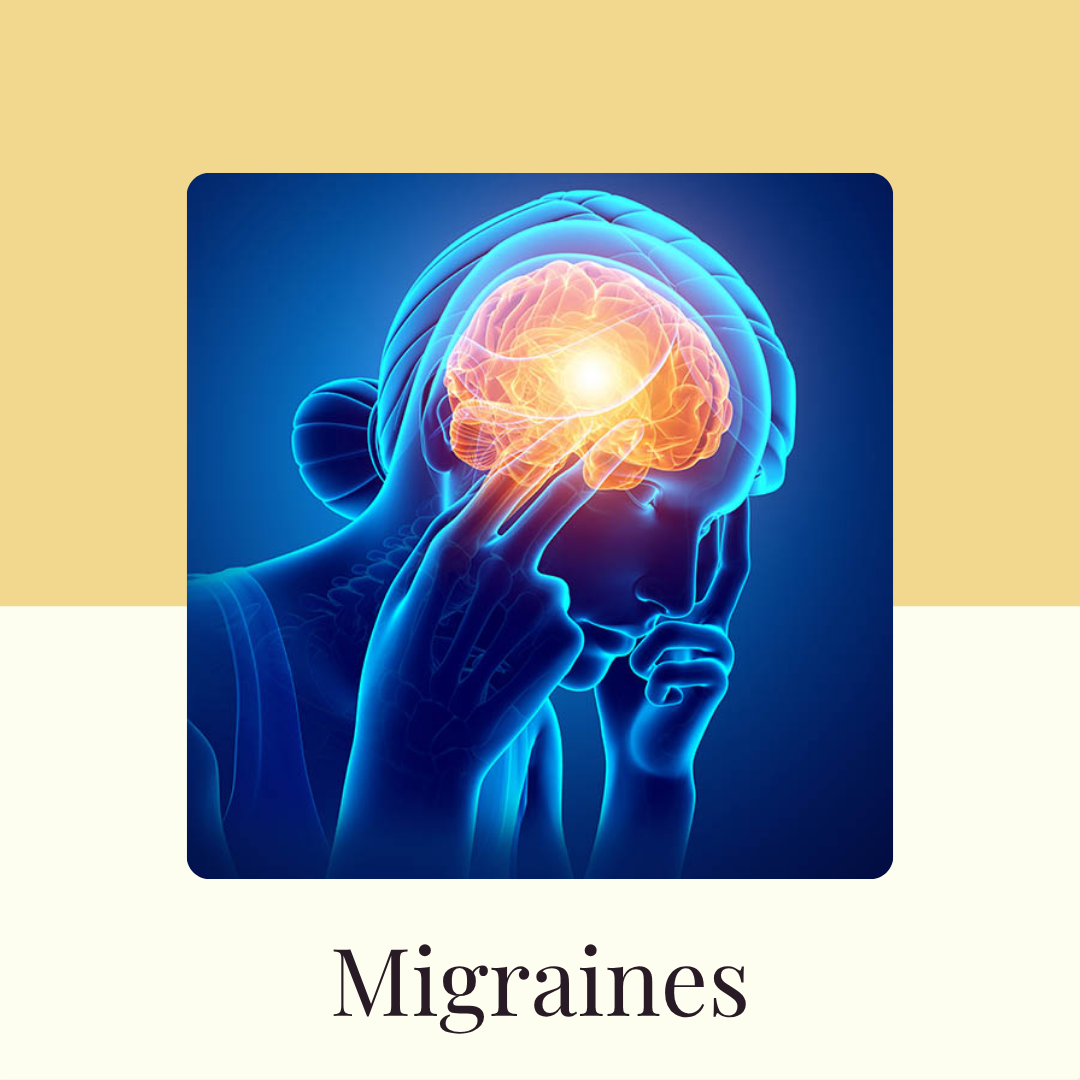
Ayurvedic support for recurrent headache disorder, Pitta imbalance, impaired digestion, nervous system sensitivity, nausea, visual disturbance, and migraine triggers.
Migraine is the most common recurrent headache disorder. It is characterized by different combinations of neurological, gastrointestinal, and autonomic symptoms, often affecting daily routine and comfort.
Migraine may present with altered visual perceptions, severe pounding headaches, nausea, and irritability. The pain usually begins in the forehead, side of the head, or around the eyes and gradually worsens. Bright lights or loud noises may aggravate the condition, and the headache can last from two hours to two or three days.
Migraine is caused by deep-rooted factors such as a sensitive nervous system and impaired digestion. Improper diet and lifestyle aggravate Pitta, which impairs digestion and leads to the formation of ama, or digestive impurities.
In Ayurveda, aggravated Pitta and impaired digestion produce ama, which may get stored in the manovaha strotas, or mind channels, becoming a cause for migraine pain. Treatment focuses on Pitta pacification, digestive restoration, ojas enhancement, and nervous system strength.
Ayurvedic treatment for Migraine is centered on the pacification of Pitta dosha and restoration of digestive function. Nervine tonics are recommended to enhance ojas, relax the mind, and give strength to the nervous system.
The treatment begins by pacifying aggravated Pitta, which is linked with improper diet, lifestyle imbalance, heat, irritation, and digestive disturbance that may trigger migraine patterns.
Ayurveda works to restore digestion and reduce the formation of ama, the digestive impurities that may affect the manovaha strotas and contribute to migraine pain.
Panchakarma support may include Virechana and Nasya, selected according to the individual’s condition and physician’s assessment.
Supportive external therapies may include Abhyanga, Shiro Dhara, Shiro Basti, and Lepas to calm the head region, relax the body, and support nervous system balance.
Internal herbal medications and nervine tonics may be recommended to enhance ojas, relax the mind, and strengthen the nervous system.
Specific Asanas, Pranayama, and Dhyana are included to support relaxation, trigger control, mental calmness, and nervous system stability.
Food and lifestyle advice is personalized to the individual’s constitution, nature of work, geographical conditions, and triggers such as stress, sleep imbalance, fasting, travel, light glare, smell, weather changes, and hormonal phases.
Every person’s migraine pattern, digestion, nervous system sensitivity, sleep rhythm, trigger response, and lifestyle are different. At Indus Valley Ayurvedic Centre, our Ayurvedic doctors assess your condition and suggest a personalized line of care.